Artificial Turf for Sports Fields: Benefits and Considerations
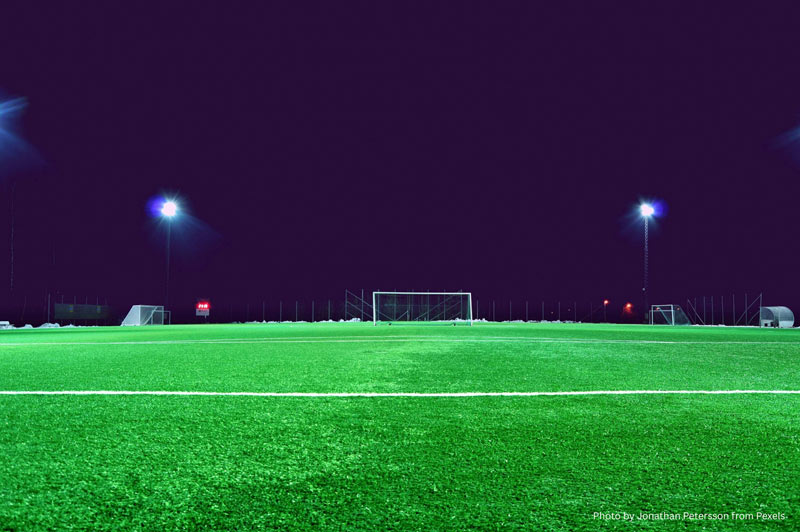
Artificial turf has transformed the way communities approach sports field design and maintenance. From major league stadiums to local school grounds, synthetic turf delivers a polished, professional look while ensuring reliable performance for athletes. According to the Plastic Pollution Coalition, the U.S. now has over 13,000 artificial turf fields, and that number continues to rise as more organizations recognize the advantages of this modern playing surface.
What Makes Up Artificial Turf?
Artificial turf is engineered using several layers of materials, each with a specific role in durability and playability:
- Blades (Synthetic Grass Fibers): Made from nylon, polypropylene, or polyurethane, these fibers are crafted to mimic the look and feel of natural grass.
- Backing (Support Base): A stabilizing layer, often made of latex, felt, or polyester, that holds the blades securely in place.
- Infill (Cushioning and Stability): Materials such as crumb rubber, silica sand, coated sand, or organic alternatives that keep the fibers upright, add cushioning, and improve traction.
Together, these components create a safe, resilient, and relatively low-maintenance surface that holds up under years of heavy athletic use.
Key Benefits of Artificial Turf for Sports Fields
Artificial turf has become the go-to choice for schools, municipalities, and sports organizations because of its many practical and long-term benefits.
1. Consistent, Attractive Appearance
Synthetic turf fields maintain a lush, green look regardless of the season or weather conditions. Unlike natural grass, they don’t develop bare patches after heavy use, turn to mud during rain, or dry out during summer heatwaves.
2. Durability for High-Volume Use
Artificial fields are designed to withstand the wear and tear of practices, tournaments, and back-to-back games. Where natural grass often struggles in high-traffic areas, turf stays intact and uniform.
3. Reduced Maintenance Demands
While turf still requires periodic cleaning, grooming, and infill replenishment, it eliminates the need for constant mowing, watering, reseeding, and fertilization. This translates into significant long-term savings.
4. Reliable Playing Conditions
Artificial turf provides athletes with a level, consistent surface year-round. Rain or shine, the field remains usable, minimizing cancellations and ensuring fair play regardless of conditions.
5. Multi-Sport Flexibility
A turf field can accommodate multiple sports with minimal downtime. Soccer, football, field hockey, and lacrosse can all be played on the same surface without the need for regrowth or repair.
6. Community and Economic Benefits
Sports facilities with durable, well-kept fields often become centers of community life. Beyond that, youth sports are a $40 billion industry in the U.S., underscoring the importance of reliable, high-quality playing fields to both recreation and the local economy.
Important Considerations Before Installing Turf
Despite its many advantages, artificial turf requires careful planning and budgeting before installation.
1. Ongoing Maintenance Is Still Necessary
Artificial turf may be “low-maintenance,” but it isn’t maintenance-free. Routine brushing, cleaning, and occasional infill replacement are necessary to keep the surface safe and looking fresh.
2. Higher Upfront Costs
Installing turf requires a greater initial investment compared to grass. A full-sized field can cost $600,000 to $1.2 million depending on the turf type, drainage systems, and customization. However, the reduced need for water and maintenance makes turf more cost-effective over time.
3. Heat Retention
One drawback is that turf retains more heat than natural grass. On hot days, surface temperatures can become uncomfortable for players. Cooling infills, water misting systems, or adjusted game schedules can help offset this issue.
4. Lifespan and Replacement Costs
Most turf fields last 8–12 years depending on how heavily they are used and how well they are maintained. Replacement should be factored into long-term planning.
5. Environmental Considerations
The environmental impact of turf is an important factor. While grass absorbs carbon and supports ecosystems, turf conserves water and eliminates the need for pesticides. Still, concerns remain over the use of plastics and microplastics. Eco-friendly turf options are available, featuring:
- Plant-based or recycled backings
- Organic infill materials such as cork or coconut husks
- Non-toxic, lead-free fibers
Choosing sustainable products helps balance environmental concerns with performance needs.
Artificial Turf vs. Natural Grass
When weighing your options, consider the trade-offs between the two:
- Costs: Turf requires more upfront investment, but grass demands higher long-term spending on water, fertilizers, and upkeep.
- Maintenance: Turf needs periodic cleaning and infill top-ups, while grass requires constant mowing, watering, and reseeding.
- Playability: Turf offers consistent surfaces year-round, while grass can be softer and cooler but less predictable.
- Environmental Impact: Grass benefits ecosystems, while turf conserves water and reduces chemical use but may pose waste challenges.
Final Thoughts
Artificial turf has become a reliable, cost-effective, and visually appealing solution for sports fields at every level. By considering installation costs, maintenance needs, lifespan, and eco-friendly options, you can make the best decision for your community or athletic program.
Since 2005, SoCal Synthetic Lawns & Putting Greens has helped schools, municipalities, and homeowners design and install beautiful, low-maintenance landscapes and athletic fields. Our expert installers monitor every project from start to finish to ensure top-quality results.
Contact us today to explore how artificial turf can elevate your sports field and create a lasting impact for athletes and the community.